Dry Eye Disease
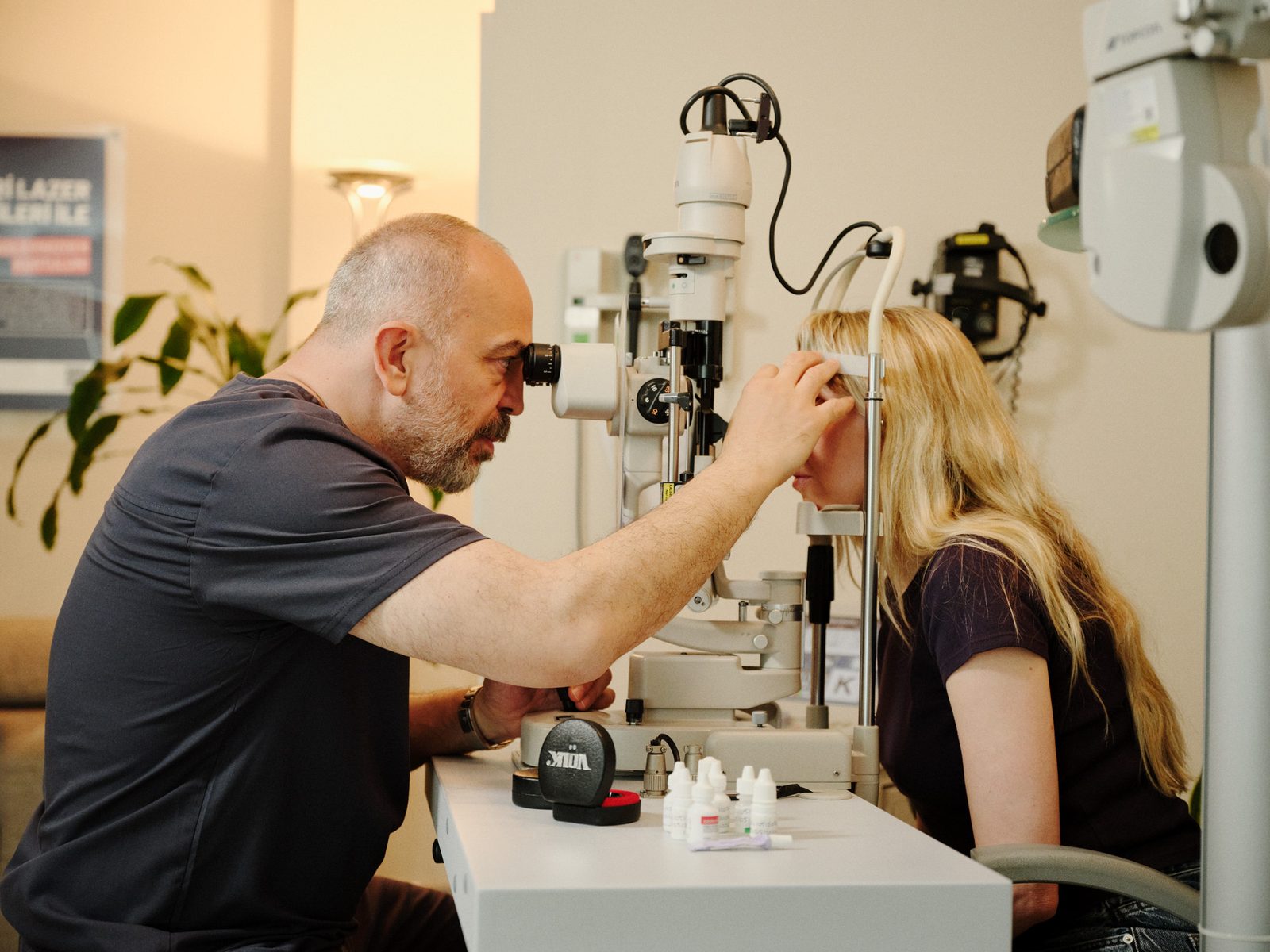
Dry eye disease is a common ocular surface condition that occurs when the surface of the eye does not remain adequately lubricated or when the tears lose their healthy composition.
It may cause symptoms such as burning, stinging, redness, watering, a foreign-body sensation, increasing eye fatigue towards the end of the day and occasional blurred vision.
Symptoms may be mild in some people, while in others they may have a noticeable impact on daily life.
What Causes Dry Eye?
Dry eye does not have a single cause.
Reduced tear production with age, prolonged screen use, contact lens wear, certain medications and environmental factors may all play a role in the development of dry eye.
Dry eye symptoms may be more common in women, particularly around menopause.
Dry Eye Is Not Simply a Lack of Tears
Dry eye disease is not only about the quantity of tears.
Tear quality, the health of the oil glands along the eyelid margins and the overall condition of the ocular surface are also important parts of the process.
The underlying cause and treatment approach may therefore differ from one patient to another.
A healthy ocular surface is important not only for visual comfort in daily life, but also for the accuracy of assessments before cataract and laser eye surgery.
Treatment Options
Treatment is planned according to the cause and severity of dry eye.
Artificial tears are an important treatment option for many patients. In some cases, additional treatments such as eyelid therapies, procedures involving the tear drainage system or IPL may also be considered.
Is Dry Eye a Chronic Condition?
Dry eye often requires long-term follow-up.
However, with appropriate treatment and regular follow-up, symptoms may be brought under control and eye comfort may be improved.
The aim of treatment is not only to reduce symptoms, but also to protect ocular surface health.