Glaucoma
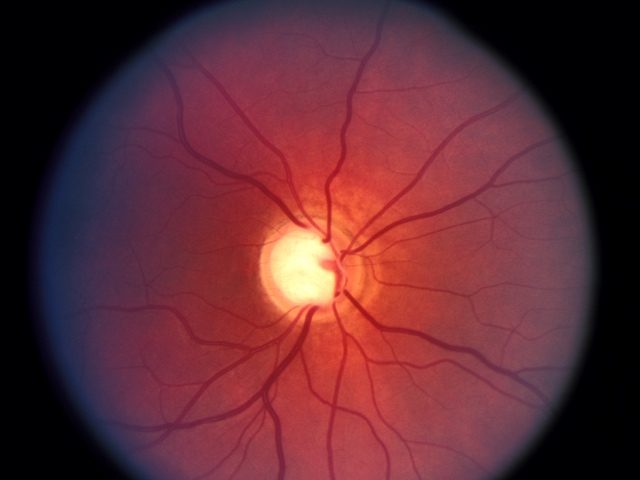
What Is Glaucoma?
Glaucoma is a chronic eye disease that may cause damage to the optic nerve and is commonly associated with increased eye pressure (intraocular pressure, IOP).
The optic nerve is one of the key structures that carries visual information between the eye and the brain. Damage to this nerve may lead to vision loss over time.
Glaucoma usually progresses slowly and may not cause noticeable symptoms in many patients during its early stages.
Regular eye examinations therefore play an important role in the early detection of glaucoma.
Why Is Glaucoma Known as a Silent Disease?
Glaucoma may often progress without pain, redness or noticeable vision loss.
The disease may progress silently for years while many people believe their vision is normal.
For this reason, glaucoma is often described as the “silent thief of sight.”
Regular eye examinations are particularly important for early diagnosis.
Does Glaucoma Cause Symptoms?
One of the most important characteristics of glaucoma is that it often causes no symptoms in its early stages.
As a result, many patients first encounter a suspicion of glaucoma during a routine eye examination.
This does not mean that glaucoma is unimportant. On the contrary, its ability to progress silently makes regular check-ups even more important.
What Are the Symptoms of Glaucoma?
Most forms of glaucoma may progress without any symptoms in the early stages.
For this reason, many people become aware of the condition only during an eye examination.
As the disease progresses, some people may experience:
- Narrowing of the visual field
- Reduced peripheral vision
- Difficulty seeing in dim light
- Reduced quality of vision
- Vision loss affecting daily life
These symptoms may occur.
In some less common types of glaucoma, symptoms may include:
- Sudden eye pain
- Severe headache
- Blurred vision
- Nausea
- Seeing halos around lights
These symptoms may occur.
However, the key feature of glaucoma is that it can often progress without symptoms.
Does High Eye Pressure Always Mean Glaucoma?
No.
High eye pressure may increase the risk of glaucoma, but not everyone with elevated eye pressure has glaucoma.
Similarly, glaucoma may develop in some people even when eye pressure is within the normal range.
For this reason, eye pressure measurement alone is not sufficient for diagnosis.
A glaucoma assessment considers the optic nerve, corneal structure, OCT imaging and visual field tests together.
Who Is More Likely to Develop Glaucoma?
Although glaucoma can occur at any age, some people have a higher risk.
Risk factors may include:
- Older age
- Family history of glaucoma
- High eye pressure
- High myopia
- Diabetes and certain systemic diseases
- Long-term corticosteroid use
These may increase the risk of glaucoma.
People in higher-risk groups should therefore not neglect regular eye examinations.
Does a Family History of Glaucoma Increase the Risk?
Yes.
Glaucoma is known to be associated with genetic predisposition.
The risk may be higher in people whose parents or siblings have glaucoma.
Regular eye examinations are therefore particularly important for people with a family history.
Can Glaucoma Cause Blindness?
If left untreated, glaucoma may cause permanent damage to the optic nerve and lead to severe vision loss.
However, with early diagnosis, regular follow-up and appropriate treatment, vision can be preserved for many years in many patients.
Early detection and regular follow-up are therefore among the most important aspects of glaucoma care.
How Is Glaucoma Diagnosed?
Glaucoma is not diagnosed on the basis of eye pressure measurement alone.
Modern glaucoma assessment may include:
- Comprehensive eye examination
- Eye pressure measurement
- Optic nerve assessment
- OCT imaging
- Visual field testing
- Corneal thickness measurement
These methods may be used as part of the assessment.
The aim is not only to detect glaucoma, but also, when present, to assess its stage and risk of progression.
Why Is Visual Field Testing Important?
Glaucoma is a disease that may cause damage to the optic nerve.
Visual field tests play an important role in assessing whether this damage has caused vision loss that affects daily life.
A visual field test helps assess how much of the surrounding area a person can see while looking straight ahead.
It is one of the most important assessment methods for diagnosing and, particularly, monitoring glaucoma.
Regular visual field tests can help monitor how the disease changes over time.
How Is OCT Used in Glaucoma Follow-Up?
Eye pressure measurement alone is not sufficient in modern glaucoma assessment.
Detailed assessment of the optic nerve and retinal nerve fibre layer is also important.
OCT (Optical Coherence Tomography) may help assess changes in the optic nerve at an early stage.
OCT is therefore commonly used in patients with suspected glaucoma and during glaucoma follow-up.
Can Glaucoma Be Treated?
Glaucoma can be treated, but it requires regular follow-up.
The aim of current treatments is not to reverse existing damage, but to prevent or slow the development of further damage.
Early diagnosis and regular follow-up are therefore very important.
Which Treatments Are Used for Glaucoma?
The treatment plan may vary depending on the patient's eye anatomy, the type of glaucoma and the stage of the disease.
Treatment options may include:
- Eye drops
- Laser treatments
- Surgical procedures
These options may be considered.
The most appropriate approach is determined after a comprehensive examination.
The Aim of Glaucoma Treatment Is to Preserve Vision
The primary aim of glaucoma treatment is to protect the optic nerve by keeping eye pressure under control.
Many patients who are diagnosed early and followed regularly can continue their normal daily lives for many years.
Regular follow-up is therefore one of the key principles of glaucoma treatment.
Why Is Regular Follow-Up Important?
Glaucoma is a condition that may change over time.
For this reason, a single examination is often not sufficient.
Eye pressure measurements, OCT imaging and visual field tests are assessed together to monitor the course of the disease.
The aim is to identify possible changes at an early stage and update the treatment plan accordingly.
Individualised Glaucoma Follow-Up
Every patient with glaucoma has different eye anatomy and a different disease course.
The follow-up plan should therefore also be individualised.
In Dr. Gökay Günay's approach, glaucoma assessment combines eye pressure measurement, optic nerve analysis, OCT imaging, visual field tests and the patient's individual risk factors.
The aim is not simply to measure eye pressure, but to create an individualised follow-up and treatment plan designed to protect the optic nerve over the long term.