PRK (No Touch Laser)
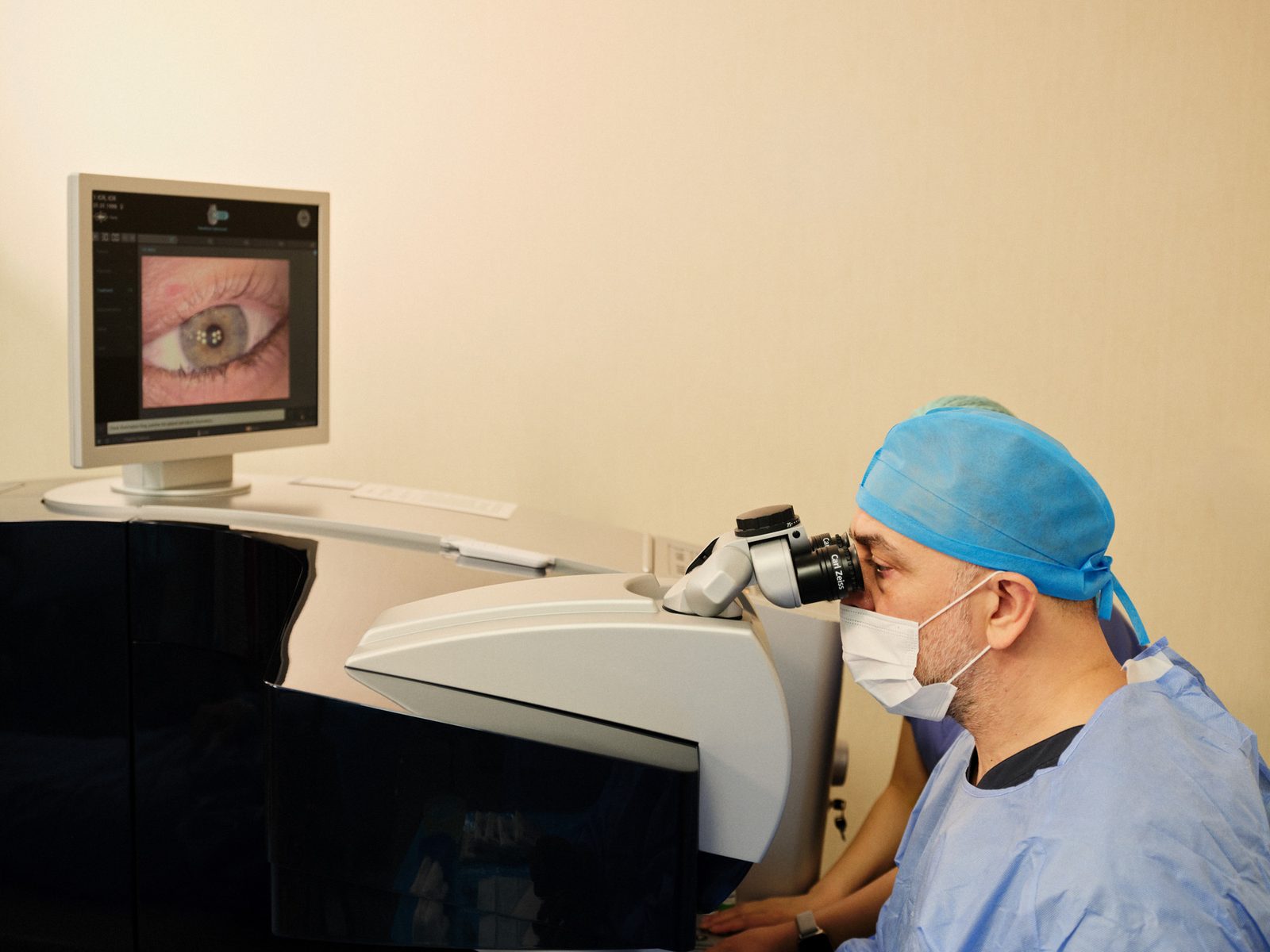
PRK is one of the longest-established methods of laser eye surgery. Procedures commonly known as No Touch Laser are also part of this treatment approach.
This method works through the surface layer of the cornea and does not create a corneal flap.
It is considered a reliable treatment option for certain corneal characteristics and suitable patient groups.
Key Features of PRK
- No corneal flap is created.
- May be a suitable option for certain corneal structures.
- One of the methods that has been used for many years and has well-established outcomes.
- May be used to treat myopia, hyperopia and astigmatism.
Recovery
Recovery after PRK may take longer than after LASIK or SMILE Pro.
Stinging, watering and sensitivity to light may occur during the first few days. Visual recovery usually takes place gradually.
Treatment Selection
There is no single laser eye surgery method that is suitable for every patient.
PRK, SMILE Pro, LASIK and other treatment options are selected by assessing the corneal structure, refractive error and ocular surface characteristics. The treatment decision is made after a comprehensive eye examination and assessment of surgical suitability.