What Is Glaucoma?
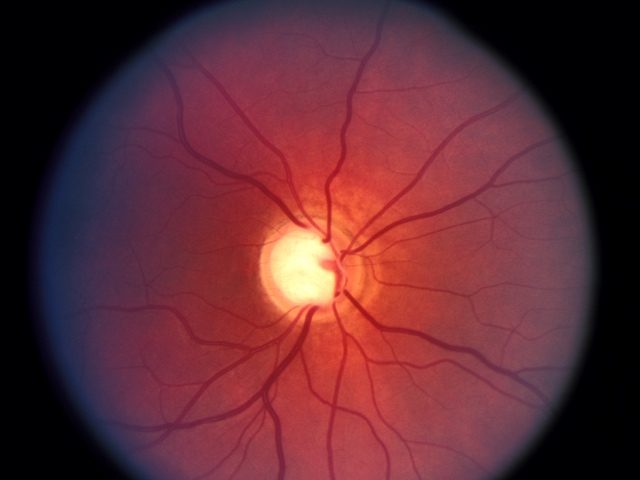
Glaucoma is a chronic eye disease that may cause damage to the optic nerve and is commonly associated with increased eye pressure (intraocular pressure, IOP).
It often progresses slowly and may not cause noticeable symptoms in the early stages. Many people therefore become aware of the condition only during an eye examination.
If left untreated, it may cause permanent loss of the visual field.
Why Is Glaucoma Important?
The aim in glaucoma is not simply to measure eye pressure.
What matters most is protecting the health of the optic nerve and preventing disease progression.
For this reason, examination of the optic nerve and additional tests are as important as measuring eye pressure in glaucoma assessment.
Who Is More Likely to Develop It?
Although glaucoma can occur at any age, it becomes more common with increasing age.
A family history of glaucoma, high eye pressure and certain eye diseases may increase the risk.
Early Diagnosis
Glaucoma may often progress without symptoms.
Regular eye examinations are therefore important for early diagnosis, particularly in people at higher risk.
When glaucoma is detected early, it may be possible to keep the disease under control and preserve vision.